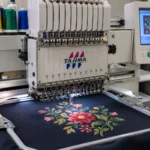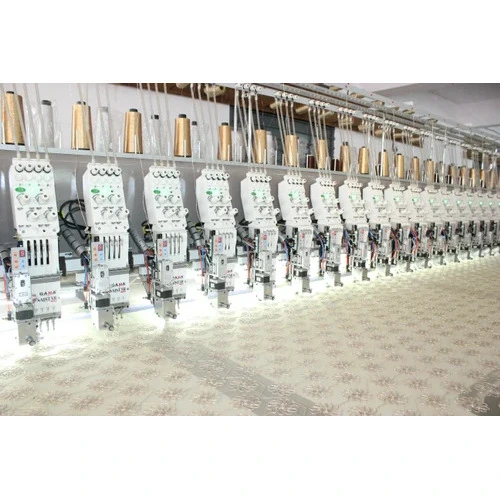

Embroidery is an important part of the garment and fashion industry. High-quality embroidery makes clothes, uniforms, and other textile products look attractive, professional, and durable. However, achieving perfect embroidery requires the right materials, machine settings, and production techniques.
Understanding the Key Technical Factors Affecting Embroidery Quality helps manufacturers produce clean, accurate, and long-lasting embroidery designs. At RP Fashion, we focus on important technical aspects to achieve consistent embroidery results for different fabrics and designs.
1. Thread Selection and Tension
Thread selection plays an important role in embroidery quality. Polyester and rayon threads are commonly used for machine embroidery because of their smooth finish, attractive appearance, and performance.
Proper thread tension ensures that the upper and bobbin threads work together correctly. Incorrect tension can cause thread breakage, loose stitches, and uneven designs. Maintaining the right tension helps achieve neat and balanced embroidery.
2. Fabric Selection
Different fabrics require different embroidery techniques. Cotton, polyester, denim, silk, and other materials have different textures and levels of stretch.
Choosing the right fabric settings helps prevent fabric damage, distortion, and uneven stitching. Proper testing before production is useful when working with new or delicate materials.
3. Stabiliser and Backing Selection
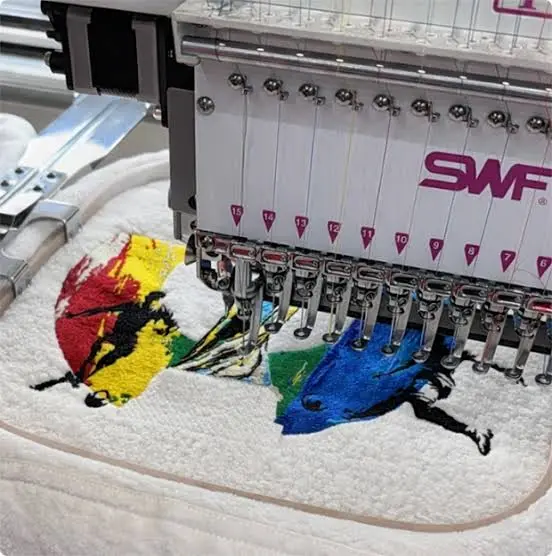
Stabilizers provide support to the fabric during embroidery. They help prevent stretching, puckering, and design distortion.
The choice of stabilizer depends on the fabric type, design complexity, and stitch density. Using the correct backing helps maintain the shape of the design and improves the overall finish.
4. Embroidery Machine Settings
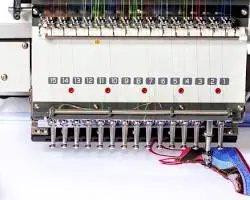
Embroidery machine settings have a direct impact on the final result. Machine speed, thread tension, needle position, and stitch settings must be adjusted according to the design and fabric.
Incorrect settings may lead to skipped stitches, thread breaks, and inconsistent embroidery. Regular machine inspection and proper adjustments help maintain production quality.
5. Needle Type and Size
Selecting the correct needle is essential for achieving clean embroidery. Different fabrics and threads may require different needle types and sizes.
A suitable needle helps reduce fabric damage, skipped stitches, and thread breakage. Needles should also be replaced when they become dull or damaged.
6. Stitch Density and Design Digitisation
Stitch density refers to how closely the stitches are placed in an embroidery design. If the density is too high, the fabric may become stiff or puckered. If it is too low, the design may look incomplete.
Proper digitising controls stitch direction, underlay, density, and stitch sequence. Good digitising helps produce accurate designs with a smooth and professional appearance.
7. Machine Maintenance
Regular maintenance is necessary to keep embroidery machines working efficiently. Cleaning lint, checking machine parts, and following the manufacturer’s lubrication guidelines can help prevent production issues.
Proper maintenance reduces unexpected machine stoppages and supports consistent embroidery quality.
8. Operator Skill and Quality Inspection
Experienced machine operators play an important role in embroidery production. They can identify stitching problems, adjust machine settings, and ensure that designs are produced correctly.
Quality inspection helps detect loose threads, missing stitches, uneven patterns, and fabric damage before the finished products are delivered to customers.
Why Embroidery Quality Matters
High-quality embroidery improves the appearance, durability, and value of textile products. It also helps businesses maintain customer satisfaction and build a strong brand reputation.
Understanding the Key Technical Factors Affecting Embroidery Quality allows manufacturers to reduce production errors, minimise material waste, and deliver professional results.
Conclusion
Achieving excellent embroidery requires the right combination of materials, technology, machine settings, and skilled workmanship. From thread tension and fabric selection to digitising and machine maintenance, every factor contributes to the final result.
At RP Fashion, we understand the importance of quality at every stage of embroidery production. By following the right techniques and maintaining consistent quality checks, businesses can achieve attractive, precise, and durable embroidery for a wide range of textile products.
visit home