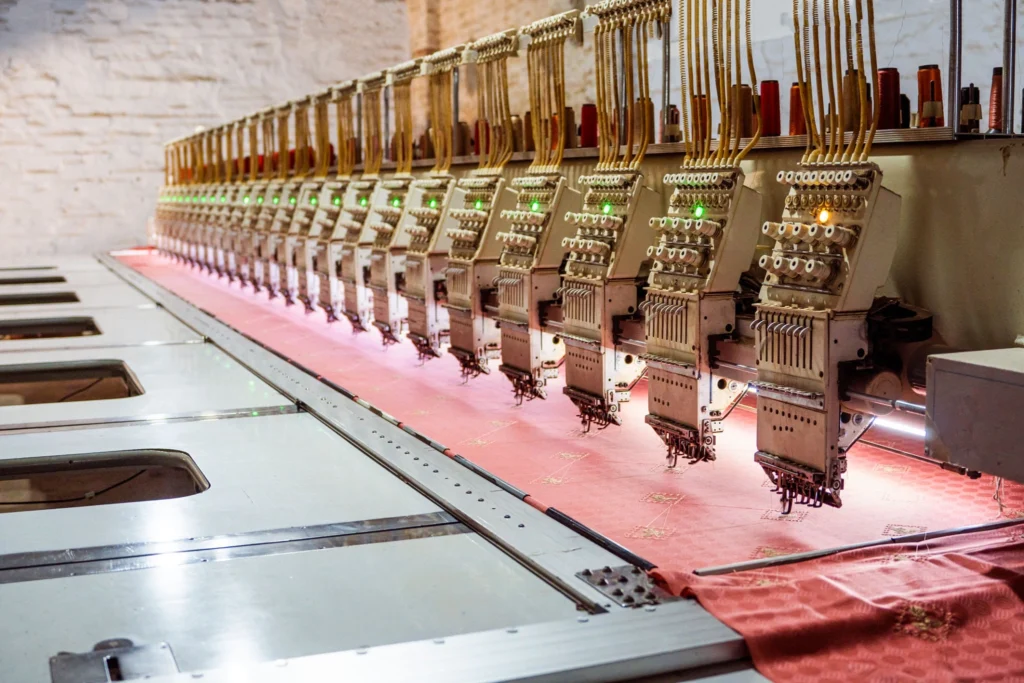

In the apparel manufacturing industry, the primary differentiation between the production of a premium garment and a rejected shipment is the implementation of embroidery quality control measures. The use of high-speed multi-head machines ensures the realization of large-scale production operations, but it is the imposition of inspection standards that guarantees perfection.
Whether one is manufacturing expensive ethnic wear, regular kurtis, and even custom corporate wear, the implementation of correct embroidery quality control ensures the prevention of fabric damage, the prevention of thread breaking, and the minimization of returns.
At RP Fashion, we have a multi-tiered inspection procedure that ensures that all items that leave our facility meet international embroidery quality control standards.
1. Pre-Production Quality Checks
Embroidery quality control begins well before the production machines begin their work.
Digitized File Testing: Ascertaining that the stitch density, underlay setting, and push-pull compensation in the digitized software file are error-free.
Needle & Thread Selection: Ensuring that the size of the needle (65/9 or 75/11) is appropriate for the fabric to prevent the formation of holes in delicate materials like silk, georgette, and cotton.
Stabilizer Selection: Confirming that the cut-away, tear-away, or water-soluble backing is appropriate for the fabric type.
2. In-Line Quality Inspection
Monitoring active production heads helps in identifying operational faults before an entire garment manufacturing batch is ruined. The in-line embroidery quality control checklist includes the following items:
1.1. Thread Tension Adjustment:
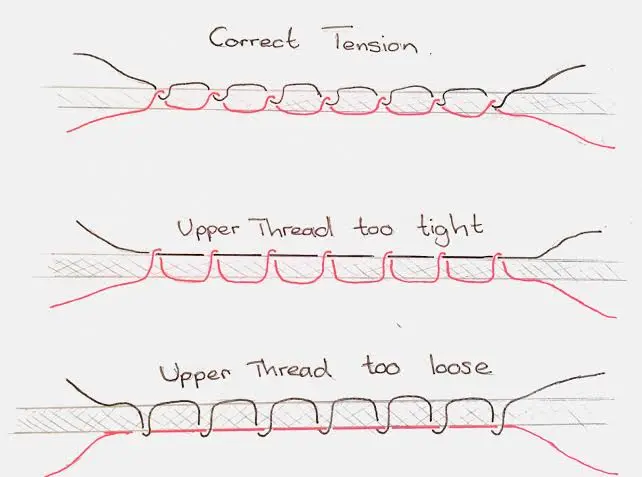
Tension Calibration. Operators check the tension of the top thread and bobbin to ensure there is a 1/3 bobbin thread ratio on the reverse side to prevent the formation of loose loops.
2.2. Hooping & Alignment Check:
Framing Precision. Checking that the fabric is held firm and flat inside the frame without over stretch that causes post-stitch puckering.
3.3. Continuous Machine Monitoring: Monitoring Faults
This entails the immediate correction of any thread breaks, dull needle tips, or skipped stitches to ensure that the embroidery pattern is not interrupted.
3. Post-Production Inspection & Finishing Checklist
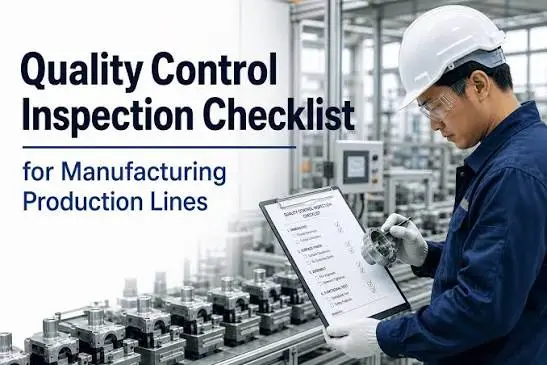
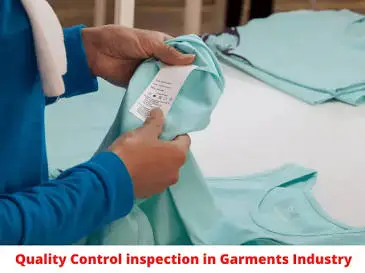
When the embroidery machine production is complete, each item undergoes a final inspection that includes a checklist of embroidery quality control items.
Inspection Point Standard Requirement Quality Marker
Puckering & Distortion Flat fabric surface: zero fabric pulling along the edges of heavy design motifs
Thread Trimming Clean Surface All jump threads trimmed down to within 1 mm
Backing Neatness: Soft reverse side cut-away backings trimmed neatly without snipping the garment fabric
Placement Accuracy: ±2 mm Margin motif placement matches the approved tech-pack dimensions.
Colorfastness: Zero color bleeding. Threads pass wash and iron temperature durability tests.
Common Defects Addressed by Embroidery Quality Control: Establishing embroidery quality control guidelines enables manufacturers to avert the occurrence of the following manufacturing defects:
Fabric Puckering: The use of the wrong stabilizers or hooping too loosely is remedied by the use of multi-layer backing combinations that are appropriate for the stretch of the garment fabric. Thread looping imbalance of the upper thread tension is remedied by testing tension gauges at the beginning of every production batch. Design Misalignment: The slippage of the garment fabric in the hoop causes design misalignment and is remedied by the use of uniform pneumatic framing frames on all machine heads.
Why Quality Standards Matter for Fashion Brands
For apparel retailers, boutiques, and B2B clients, embroidery quality control standards guarantee the following benefits:
Higher Brand Reputation Achieved by delivering pristine apparel to customers. Increasing Garment Durability Ensured by the ability of the garment to withstand multiple washing cycles. Cost efficiency is realized by eliminating wastage of materials and minimizing order re-runs.
At RP Fashion, our industrial embroidery quality control expertise and handcrafted approach guarantee that every garment that leaves our facility meets the highest quality standards.
VISIT HOME